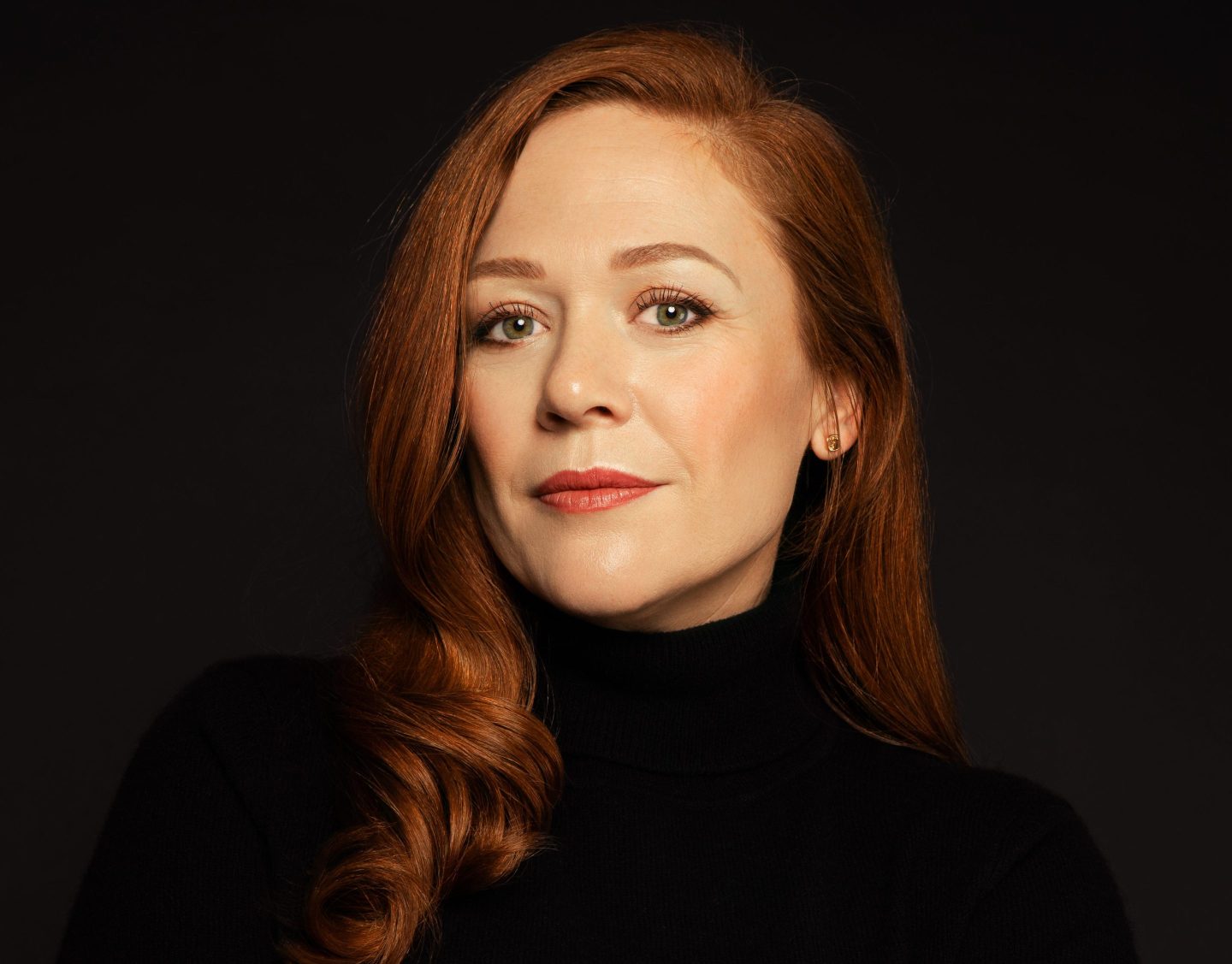
Yi He has spent years shaping the world's largest crypto exchange from behind the scenes. Now, as co-CEO of Binance, she is stepping into the spotlight at one of the most consequential moments in the industry's history.
In a wide-ranging interview, Yi discussed Binance's post-crisis rebuild, her leadership philosophy, and why she believes crypto's next billion users will look very different from its first.
We're building for the next billion
The company now serves hundreds of millions of users and is targeting one billion in the coming years, a milestone Yi frames less as ambition and more as inevitability.
"The first phase of crypto was about access," Yi says. "The next phase is about usability. If people can't understand it in five minutes, we've failed." That shift is already visible internally. According to Yi, Binance is doubling down on product simplicity, onboarding flows, and mobile-first design, areas she personally oversees under the company's new dual-leadership structure.
A dual-CEO model built for survival
Yi shares the CEO role with Richard Teng, a former regulator brought in to steer compliance. It's a deliberate split: Teng handles regulators and institutional relationships; Yi focuses on product, growth, and strategy.
"Crypto companies used to think growth solved everything," she says. "Now we know compliance and growth have to scale together."
The arrangement comes after Binance's most turbulent period, including regulatory scrutiny and the departure of founder Changpeng Zhao following a U.S. legal settlement. Yi is candid about the reset. "We had to mature fast. That's what the last two years forced us to do."
From rural China to crypto's most powerful woman
Yi's rise is one of the more unlikely stories in tech. Born in Sichuan, she grew up in modest conditions before moving into media and eventually crypto marketing. Today, Yi He is widely seen as one of the most influential figures in the industry.
"I didn't come from finance," she says. "That's actually an advantage. I think like a user."
That mindset, user-first rather than institution-first, remains central to how she runs the company. Retail investors are still the core. While much of crypto's narrative has shifted toward institutions, Yi insists Binance's foundation has not changed.
"Protecting retail users is the foundation of everything we do," she says, pointing to internal efforts to prevent scams and improve safety. "If users don't trust the platform, nothing else matters."
Beyond trading
Beyond the exchange, Yi is also steering Binance's broader ecosystem, including its venture initiatives focused on emerging technologies.
"Trading is just the entry point. Real value comes from what gets built on top." That philosophy reflects a wider shift: Binance is no longer just competing with exchanges, it's competing with the entire financial stack.
Despite Binance's evolution, Yi is adamant about preserving what she calls "grass roots culture," the fast-moving, high-conviction decision-making that defined the company's early years.
"You can't lose speed," she says. "If you become slow, you lose relevance in crypto." Balancing that with increasing regulatory demands is the challenge ahead. "The companies that win won't be the most compliant or the fastest. They'll be the ones that can do both."
Life beyond Binance: family, friends, and travel
For all the intensity of running one of crypto's most scrutinized companies, Yi says she has recently made a conscious effort to step back, if only briefly.
In recent months, she has spent time traveling through China with her family, something she describes as both grounding and increasingly important. "I've been traveling with my family across China recently," she says. "It's rare for me to fully disconnect, but I'm trying to make more time for that."
One moment, in particular, stood out. "We visited a nature reserve and it brought me back to Earth. I made so many new friends. There was a newborn golden monkey which might be my new favorite animal; Chuqi. So cute. I cherished the whole trip and it was very grounding. It made me realize that everything isn't so serious all the time."
The trip offered a different kind of perspective, far removed from markets, volatility, and regulation. "When you're building at this scale, it's easy to only think in numbers," she says. "Travel reminds you there's a bigger world outside of screens." Still, even during time off, her focus rarely shifts far from the company.
"Ideas come when you step away," she says. "That's usually when I think most clearly."
The bottom line
Yi He's leadership marks a turning point, not just for Binance, but for crypto itself. The industry is moving from chaos to structure, from speculation to infrastructure. And if Yi is right, the next wave won't be driven by traders, but by everyday users who don't even realize they're using crypto.
"The goal," she says, "is that one day people use blockchain the same way they use the internet, without thinking about it."